
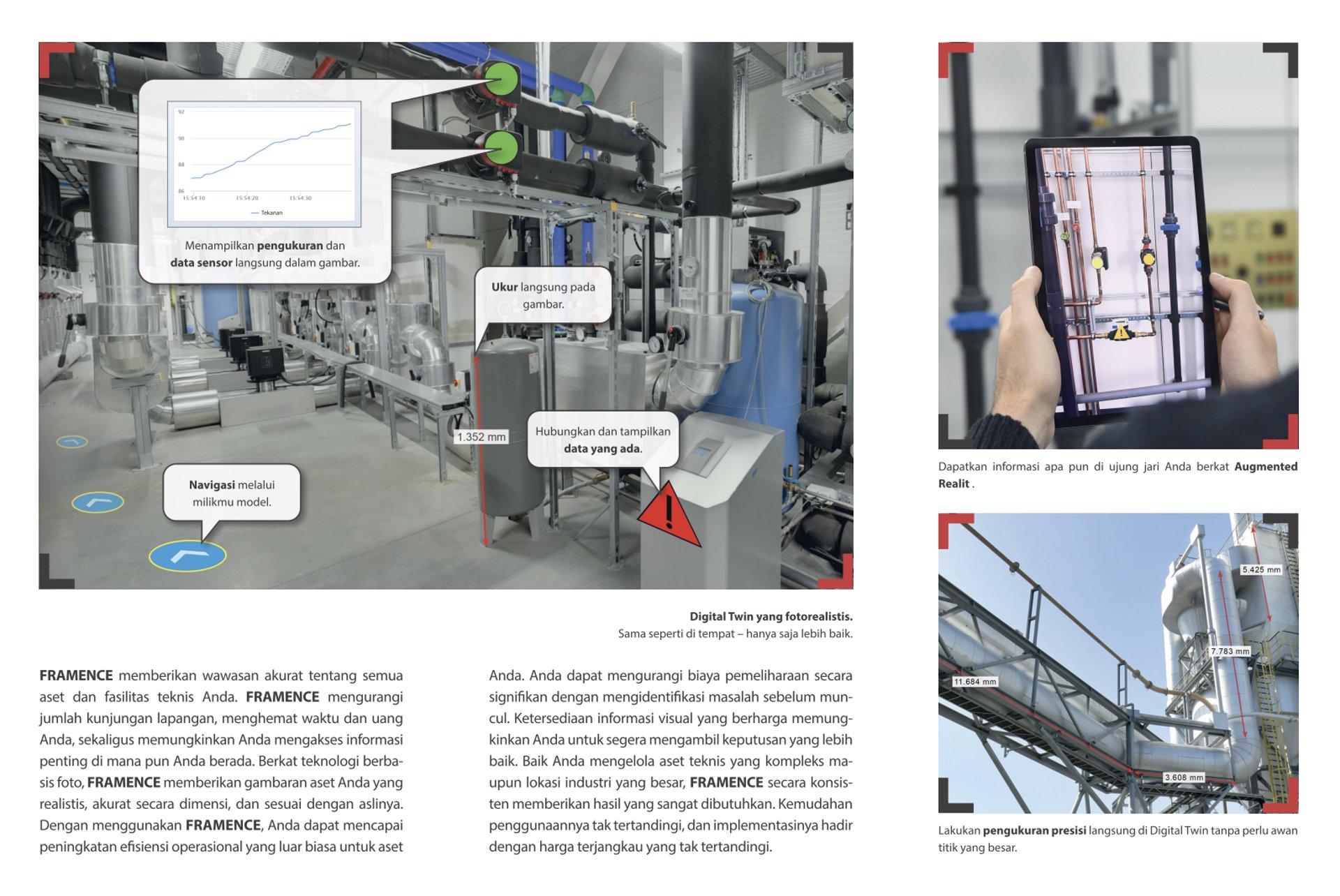
Digital Twin By Framence
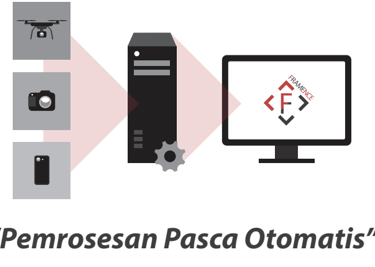
The goal of FRAMENCE is to create Digital ,Twins very easily and at very low cost this cannot be achieved using laser Scanning or stereo photography, as both technologies require expensive specialised recording devices. Not to mention the significant post-processing efforts involved. Additionally, specially trained experts are often required for handling.
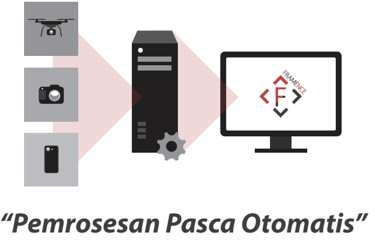
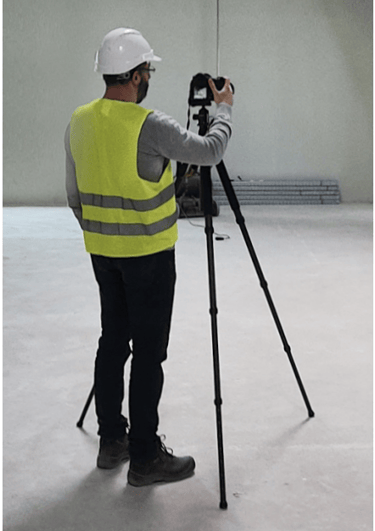
For this reason, FRAMENCE only uses photos taken with a standard camera. An AI-based alignment system processes the photos to produce precise and coherent 3D models. Users simply need to upload the photos taken to the server, and the system will handle the rest automatically. The Level of Detail (LoD) depends on the image resolution of the photographic material. If the detail is insufficient, you can simply add additional photos.
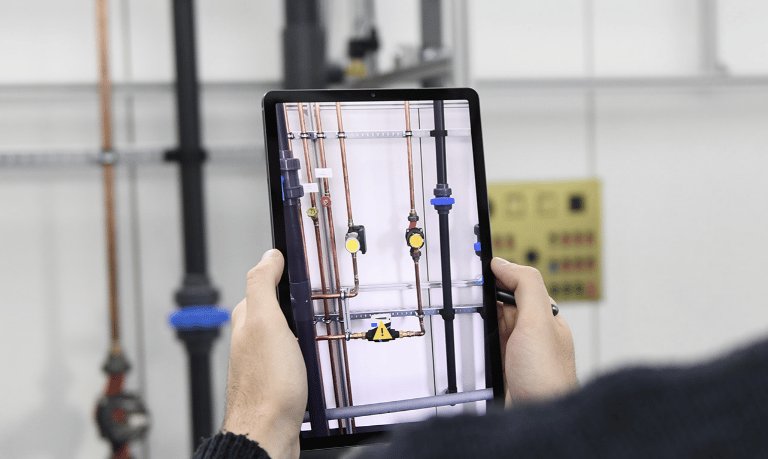
"The Augmented Reality function will
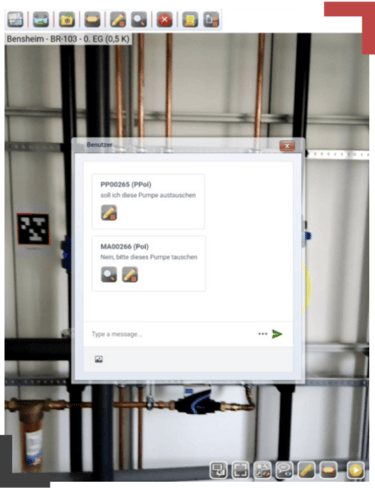
guide you to the affected technical facilities and display the requested details through live images thatfade in on your tablet.
The Augmented Reality function will"
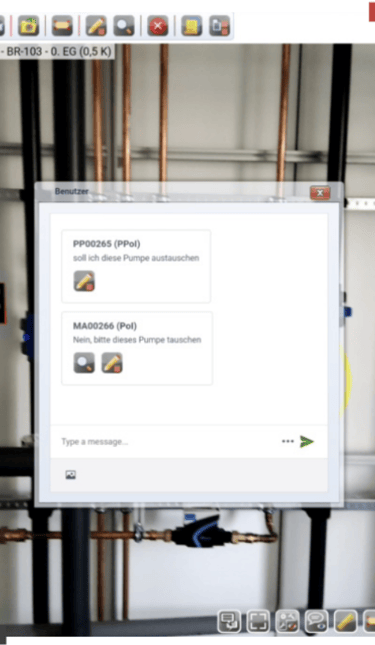
Display this linked information with just one click on this overlay. The live chat function enables communication with other employees. Live image transmission displays the situation at the location in the Digital Twin, and even at the exact position. This helps to avoid misunderstandings or errors.
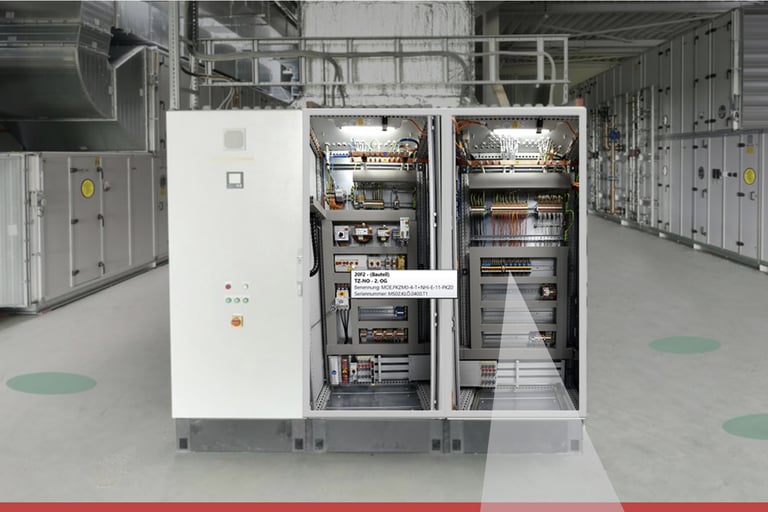
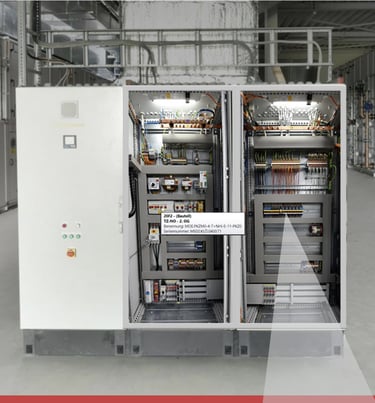
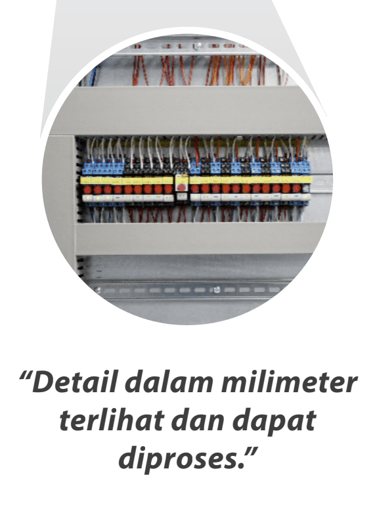
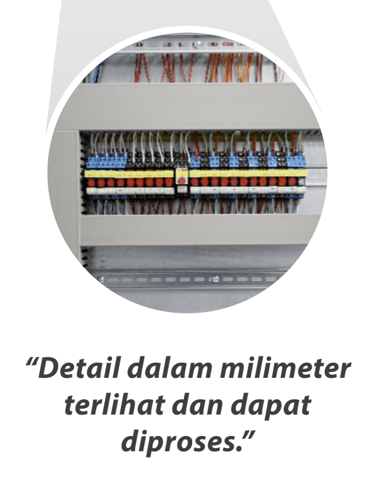
After uploading, the images will be automatically integrated into the existing Digital Twin so they are in the correct position. Thus, nameplates, barcodes, and QR codes can be read and processed automatically. Additional images do enhance the level of detail, but do not reduce the complexity or loading time of the model.
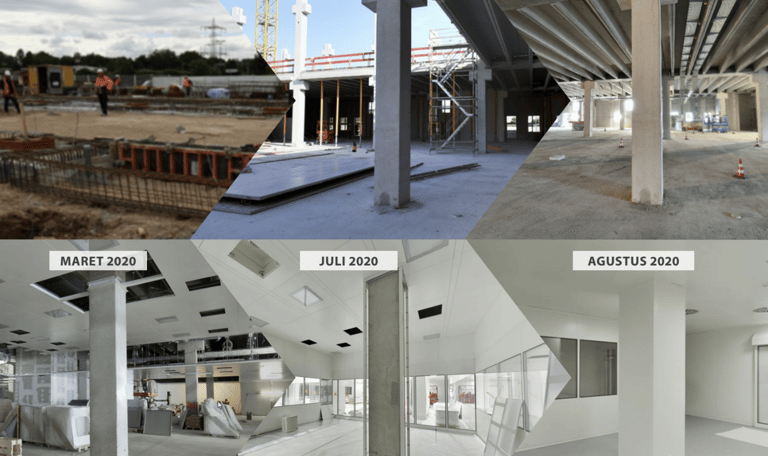
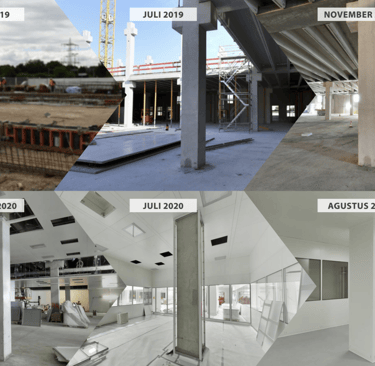
Detailed photos improve the model's level of detail. Typically, taking pictures with a mobile device in everyday professional life is sufficient.
"FRAMENCE is capable of documenting the entire history of technical facilities in photorealistic and 3D formats. Therefore, searching through plan archives or old data systems will become a thing of the past."
Buildings and technical facilities do change over time. Thanks to the very low cost of taking pictures, taking new photos after modifications and renovations to buildings has become more economical. Minor changes will be documented by craftsmen and technicians on site using their smartphones. Our AI-powered algorithm ensures that new photos will be seamlessly integrated into the existing Digital Twin. The FRAMEN-CE Digital Twin will not forget anything. Neither photos nor the existing Digital Twin. The FRAMENCE Digital Twin will not forget anything. Neither photos nor data will be deleted, but only paused on the timeline. By navigating back in time, all previous situations can be restored.
Currently, we are only presenting a few examples of how FRAMENCE will support digitalisation within companies and how this innovative technology contributes to maintaining cost-effectiveness and company security. FRAMENCE's functionality relies on images, intelligent algorithms, the internet, and interfaces to the world of data. As the underlying technology continues to evolve, FRAMENCE will utilise all future technical options. The Digital Twin is based on a clear and easily manageable geometric structure. Images use the JPG format. If future FRAMENCE functions require another internal format, for example for more advanced graphics boards, this new format can be easily generated from the basic data set.
For further information, please visit: www.ganesha-epcm.com




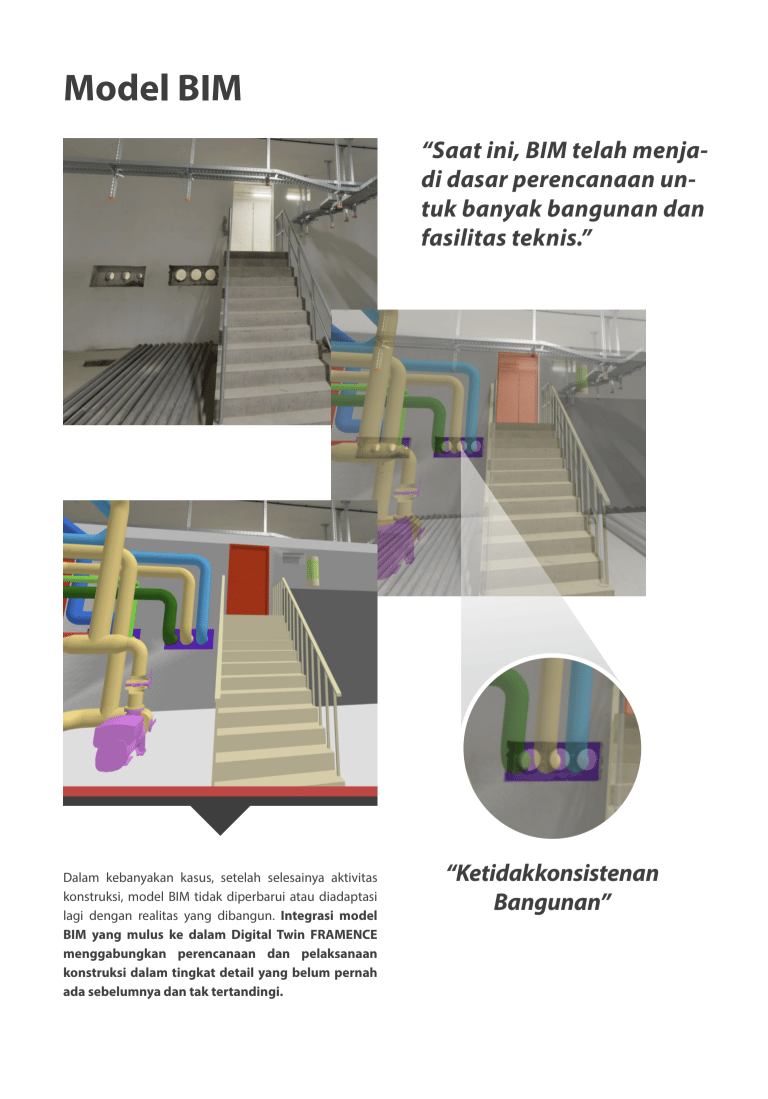
In most cases, after the completion of construction activities,the BIM model is not updated or adapted to the built reality. The seamless integration of the BIM model into the FRAMENCE Digital Twin combines construction planning and execution at an unprecedented and unmatched level of detail.
"Currently, BIM has become the basis for planning many buildings and technical facilities."

Services
Visit us
Jalan Batik Halus No.10A Sukaluyu Kota Bandung, Jawa Barat 40123
© 2026 All rights reserved.
Address Bandung
location
Address Jakarta
GIESMART PLAZA
Jl. Raya Pasar Minggu No.17A 7, RT.7/RW.9, Pancoran, Kec. Pancoran, Kota Jakarta Selatan, Daerah Khusus Ibukota Jakarta 12780